 电子书百科大全
The Overflowing Brain: Information Overload and the Limits of Working Memory
by: Torkel Klingberg (Author)
Publisher: Oxford University Press
Edition: 1st
Publication Date: 2008/11/7
Language: English
Print Length: 224 pages
ISBN-10: 0195372883
ISBN-13: 9780195372885
Book Description
As the pace of technological change accelerates, we are increasingly experiencing a state of information overload. Statistics show that we are interrupted every three minutes during the course of the work day. Multitasking between email, cell-phone, text messages, and four or five websites while listening to an iPod forces the brain to process more and more informaton at greater and greater speeds. And yet the human brain has hardly changed in the last 40,000 years. Are all these high-tech advances overtaxing our Stone Age brains or is the constant flood of information good for us, giving our brains the daily exercise they seem to crave? In The Overflowing Brain, cognitive scientist Torkel Klingberg takes us on a journey into the limits and possibilities of the brain. He suggests that we should acknowledge and embrace our desire for information and mental challenges, but try to find a balance between demand and capacity. Klingberg explores the cognitive demands, or "complexity," of everyday life and how the brain tries to meet them. He identifies different types of attention, such as stimulus-driven and controlled attention, but focuses chiefly on "working memory," our capacity to keep information in mind for short periods of time. Dr Klingberg asserts that working memory capacity, long thought to be static and hardwired in the brain, can be improved by training, and that the increasing demands on working memory may actually have a constructive effect: as demands on the human brain increase, so does its capacity. The book ends with a discussion of the future of brain development and how we can best handle information overload in our everyday lives. Klingberg suggests how we might find a balance between demand and capacity and move from feeling overwhelmed to deeply engaged.
About the Author
As the pace of technological change accelerates, we are increasingly experiencing a state of information overload. Statistics show that we are interrupted every three minutes during the course of the work day. Multitasking between email, cell-phone, text messages, and four or five websites while listening to an iPod forces the brain to process more and more informaton at greater and greater speeds. And yet the human brain has hardly changed in the last 40,000 years. Are all these high-tech advances overtaxing our Stone Age brains or is the constant flood of information good for us, giving our brains the daily exercise they seem to crave? In The Overflowing Brain, cognitive scientist Torkel Klingberg takes us on a journey into the limits and possibilities of the brain. He suggests that we should acknowledge and embrace our desire for information and mental challenges, but try to find a balance between demand and capacity. Klingberg explores the cognitive demands, or "complexity," of everyday life and how the brain tries to meet them. He identifies different types of attention, such as stimulus-driven and controlled attention, but focuses chiefly on "working memory," our capacity to keep information in mind for short periods of time. Dr Klingberg asserts that working memory capacity, long thought to be static and hardwired in the brain, can be improved by training, and that the increasing demands on working memory may actually have a constructive effect: as demands on the human brain increase, so does its capacity. The book ends with a discussion of the future of brain development and how we can best handle information overload in our everyday lives. Klingberg suggests how we might find a balance between demand and capacity and move from feeling overwhelmed to deeply engaged. Read more
The Overflowing Brain: Information Overload and the Limits of Working Memory
相关推荐
 A Couple's Guide to Menopause: Navigating the Change Together
 Eat to Win: Nutrition for Peak Performance in Female Team Sport Athletes
 The Everything Guide
 Our Hormones, Our Health: how to understand your hormones and transform your life
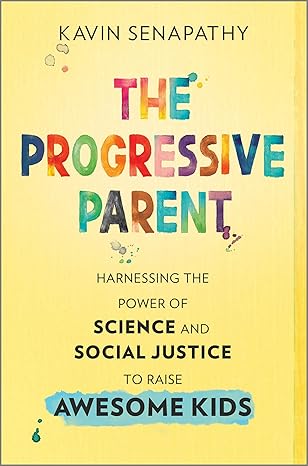 The Progressive Parent: Harnessing the Power of Science and Social Justice to Raise Awesome Kids
 The Great Menopause Myth: The Truth on Mastering Midlife Hormonal Mayhem, Beating Uncomfortable Symptoms, and Aging to Thrive
 Spiritism and Mental Health
 Autism Spectrum Disorder in Children and Adolescents: Evidence-Based Assessment and Intervention in Schools (Division 16: Applying Psychology in the Schools)
评论前必须登录!
立即登录 注册