 电子书百科大全
Playing Indian (Yale Historical Publications Series)
by: Philip J. Deloria (Author)
Publisher: Yale University Press
Publication Date: 2022/5/17
Language: English
Print Length: 272 pages
ISBN-10: 0300264844
ISBN-13: 9780300264845
Book Description
Philip J. Deloria’s classic exploration of white America’s drive to “play Indian,” from the Boston Tea Party to the New Age “[A] brilliant book. . . . This book reminds us that at least one question about America has been settled. Contrary to the conventional wisdom that prevailed throughout most of our history, the Indians will remain.”—Peter Iverson, American Historical Review “Not since I first read Michel Foucault, Fredric Jameson, or bell hooks has a text crackled with so much theoretical frisson. Its historical insights are rich and political repercussions profound. American culture will never look the same.”—Joel Martin, author of Sacred Revolt and Native American Religion This provocative book, reissued with a timely new preface, explores how white Americans have used their ideas about Native Americans to shape national identity in different eras—and how Indian people have reacted to these appropriations of their native dress, language, and ritual. At the Boston Tea Party, colonial rebels played Indian in order to claim an aboriginal American identity. In the nineteenth century, Indian fraternal orders allowed men to rethink the idea of revolution, consolidate national power, and write nationalist literary epics. By the twentieth century, playing Indian helped nervous city dwellers deal with modernist concerns about nature, authenticity, Cold War anxiety, and various forms of relativism. Philip J. Deloria points out, however, that throughout American history the creative uses of Indianness have been interwoven with conquest and dispossession. Indian play has thus been fraught with ambivalence—for white Americans who idealized and villainized the Indian, and for Indians who were both humiliated and empowered by these cultural exercises. Deloria suggests that imagining Indians has helped generations of white Americans define, mask, and evade paradoxes stemming from simultaneous construction and destruction of these native peoples. In the process, Americans have created powerful identities that have never been fully secure.
About the Author
Philip J. Deloria’s classic exploration of white America’s drive to “play Indian,” from the Boston Tea Party to the New Age “[A] brilliant book. . . . This book reminds us that at least one question about America has been settled. Contrary to the conventional wisdom that prevailed throughout most of our history, the Indians will remain.”—Peter Iverson, American Historical Review “Not since I first read Michel Foucault, Fredric Jameson, or bell hooks has a text crackled with so much theoretical frisson. Its historical insights are rich and political repercussions profound. American culture will never look the same.”—Joel Martin, author of Sacred Revolt and Native American Religion This provocative book, reissued with a timely new preface, explores how white Americans have used their ideas about Native Americans to shape national identity in different eras—and how Indian people have reacted to these appropriations of their native dress, language, and ritual. At the Boston Tea Party, colonial rebels played Indian in order to claim an aboriginal American identity. In the nineteenth century, Indian fraternal orders allowed men to rethink the idea of revolution, consolidate national power, and write nationalist literary epics. By the twentieth century, playing Indian helped nervous city dwellers deal with modernist concerns about nature, authenticity, Cold War anxiety, and various forms of relativism. Philip J. Deloria points out, however, that throughout American history the creative uses of Indianness have been interwoven with conquest and dispossession. Indian play has thus been fraught with ambivalence—for white Americans who idealized and villainized the Indian, and for Indians who were both humiliated and empowered by these cultural exercises. Deloria suggests that imagining Indians has helped generations of white Americans define, mask, and evade paradoxes stemming from simultaneous construction and destruction of these native peoples. In the process, Americans have created powerful identities that have never been fully secure. Read more
Playing Indian (Yale Historical Publications Series)
相关推荐
 Cultures at the Susquehanna Confluence: The Diaries of the Moravian Mission to the Iroquois Confederacy, 1745–1755 (Pietist, Moravian, and Anabaptist Studies)
 Past Forward: Articles from the Journal of American History, Volume 1: From Colonial Foundations to the Civil War
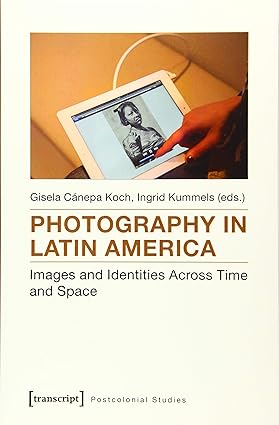 Photography in Latin America: Images and Identities Across Time and Space (Postcolonial Studies)
 Healthcare in Latin America: History, Society, Culture
 The Wild Mississippi: A State-by-State Guide to the River’s Natural Wonders
 To Find a Pasqueflower: A Story of the Tallgrass Prairie (Bur Oak Book)
 Do Something: Coming of Age Amid the Glitter and Doom of '70s New York
 Wonder Foods: The Science and Commerce of Nutrition (California Studies in Food and Culture) (Volume 80)
评论前必须登录!
立即登录 注册