 电子书百科大全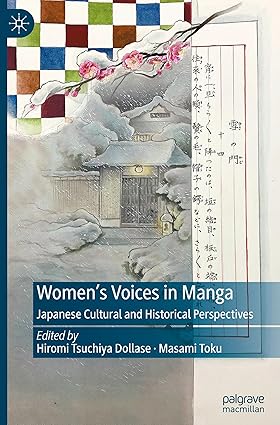
Women’s Voices in Manga: Japanese Cultural and Historical Perspectives
by: Hiromi Tsuchiya Dollase (Editor), Masami Toku (Editor)
Publisher: Palgrave Macmillan
Publication Date: 2025-02-19
Language: English
Print Length: 300 pages
ISBN-10: 3031733290
ISBN-13: 9783031733291
Book Description
Women’s Voices in Manga investigates how manga reflect women's gender issues and social problems within the context of Japanese history, culture, and society. Manga illuminate how women have been treated stereotypically and confined to their gender roles. Fictional characters―surrogates for both creators and readers―have continuously challenged and subverted fixed cultural images, notions, and expressions of women.The first section of the book features research articles on the depiction of women in manga. Contributions of chapters come from scholars in diverse fields, including manga studies, history, art education, literary studies, and gender studies. The second section presents the life stories of prominent women artists Watanabe Masako (b.1929), Mizuno Hideko (b.1939), and Satonaka Machiko (b.1948), capturing their voices and social messages through interviews. Finally, the third section introduces a translated manga, Abe: A Young Woman Emperor-in-Waiting, created by Satonaka Machiko, which features one of the six Japanese female Emperors in history, Kōken Tennō (later Shōtoku Tennō) of the 8th century.Women’s Voices in Manga showcases women’s issues, portrayals, and lives. The book underscores manga’s cultural function to disseminate expressions of women’s issues across society, inviting readers to relate these issues to their own lives.
Editorial Reviews
Women’s Voices in Manga investigates how manga reflect women's gender issues and social problems within the context of Japanese history, culture, and society. Manga illuminate how women have been treated stereotypically and confined to their gender roles. Fictional characters―surrogates for both creators and readers―have continuously challenged and subverted fixed cultural images, notions, and expressions of women.The first section of the book features research articles on the depiction of women in manga. Contributions of chapters come from scholars in diverse fields, including manga studies, history, art education, literary studies, and gender studies. The second section presents the life stories of prominent women artists Watanabe Masako (b.1929), Mizuno Hideko (b.1939), and Satonaka Machiko (b.1948), capturing their voices and social messages through interviews. Finally, the third section introduces a translated manga, Abe: A Young Woman Emperor-in-Waiting, created by Satonaka Machiko, which features one of the six Japanese female Emperors in history, Kōken Tennō (later Shōtoku Tennō) of the 8th century.Women’s Voices in Manga showcases women’s issues, portrayals, and lives. The book underscores manga’s cultural function to disseminate expressions of women’s issues across society, inviting readers to relate these issues to their own lives.







评论前必须登录!
立即登录 注册