 电子书百科大全
Turning the Page on Complex Texts: Differentiated Scaffolds for Close Reading Instruction (Grade-Specific Classroom Scenarios for Common Core State Standards)
by: Diane Lapp (Author),Barbara Moss(Author),Maria C. Grant(Author),Kelly Johnson(Author)&1more
Publisher: Solution Tree
Publication Date: 2016/5/27
Language: English
Print Length: 184 pages
ISBN-10: 1935249460
ISBN-13: 9781935249467
Book Description
Ensure all learners become successful close readers. In this powerful resource, the authors examine what features make a text complex. Learn how to select appropriate complex texts and design instruction to meet the needs of every student. Explore grade-specific classroom scenarios that illustrate how to scaffold lessons to foster close reading and deepen comprehension at all stages of K-12 education. Benefits:Gain practical teaching strategies for creating close reading lessons. Consider grade-level-specific instructional scenarios that illustrate how to support students' reading comprehension as they learn to read closely. Learn how to evaluate a text's complexity and how to ask text-dependent questions that can help students engage with a text. Study evidence for why continuous close assessment of student performance is vital for making sure all students learn to closely read complex texts. Discover potential contingency scaffolds for the classroom and how to use them to promote student success in closely reading a text.Contents: IntroductionPart I: Background and Planning Information 1. Understanding Close Reading 2. Identifying Text Complexity 3. Making Decisions That Support Close Reading Instruction 4. Assessing During Close ReadingPart II: Instructional Scenarios 5. Understanding What the Text Says Through Differentiated Scaffolds 6. Understanding How the Text Works Through Differentiated Scaffolds 7. Understanding What the Text Means Through Differentiated Scaffolds 8. Supporting Knowledge Demands with Differentiated Scaffolds Epilogue Appendix A References and Resources
About the Author
Ensure all learners become successful close readers. In this powerful resource, the authors examine what features make a text complex. Learn how to select appropriate complex texts and design instruction to meet the needs of every student. Explore grade-specific classroom scenarios that illustrate how to scaffold lessons to foster close reading and deepen comprehension at all stages of K-12 education. Benefits:Gain practical teaching strategies for creating close reading lessons. Consider grade-level-specific instructional scenarios that illustrate how to support students' reading comprehension as they learn to read closely. Learn how to evaluate a text's complexity and how to ask text-dependent questions that can help students engage with a text. Study evidence for why continuous close assessment of student performance is vital for making sure all students learn to closely read complex texts. Discover potential contingency scaffolds for the classroom and how to use them to promote student success in closely reading a text.Contents: IntroductionPart I: Background and Planning Information 1. Understanding Close Reading 2. Identifying Text Complexity 3. Making Decisions That Support Close Reading Instruction 4. Assessing During Close ReadingPart II: Instructional Scenarios 5. Understanding What the Text Says Through Differentiated Scaffolds 6. Understanding How the Text Works Through Differentiated Scaffolds 7. Understanding What the Text Means Through Differentiated Scaffolds 8. Supporting Knowledge Demands with Differentiated Scaffolds Epilogue Appendix A References and Resources Read more
Turning the Page on Complex Texts: Differentiated Scaffolds for Close Reading Instruction (Grade-Specific Classroom Scenarios for Common Core State Standards)
未经允许不得转载:电子书百科大全 » Turning the Page on Complex Texts: Differentiated Scaffolds for Close Reading Instruction (Grade-Specific Classroom Scenarios for Common Core State Standards)
相关推荐
 Autism and Adolescence: What Teens and Adults Need to Know (The Way I See It)
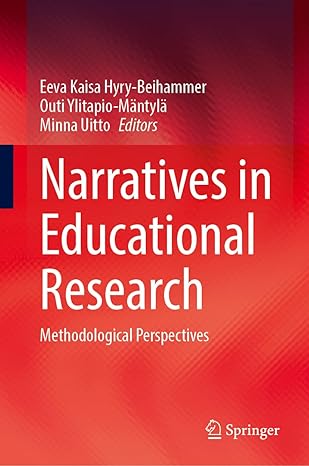 Narratives in Educational Research: Methodological Perspectives
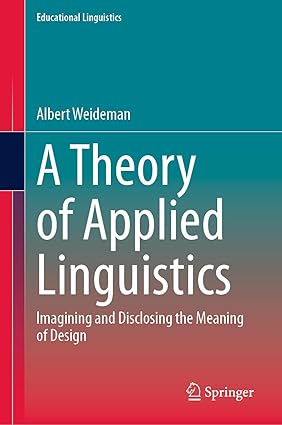 A Theory of Applied Linguistics: Ιmagining and Disclosing the Meaning of Design (Educational Linguistics, 65)
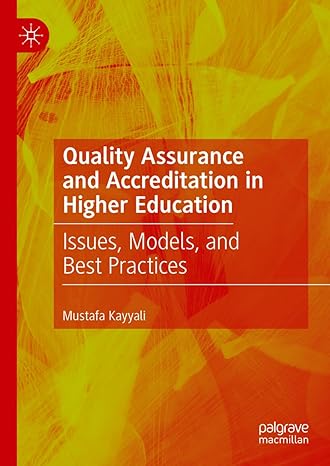 Quality Assurance and Accreditation in Higher Education: Issues, Models, and Best Practices
 Teaching for Retention: Strategies to Ignite Student Success in Higher Education
 Heart at the Center: An Educator's Guide to Sustaining Love, Hope, and Community Through Nonviolence Pedagogy
 Critical Philosophy of Mathematics (Advances in Mathematics Education)
 Early Childhood Psychopathology: Developmental Models and Treatments
评论前必须登录!
立即登录 注册