 电子书百科大全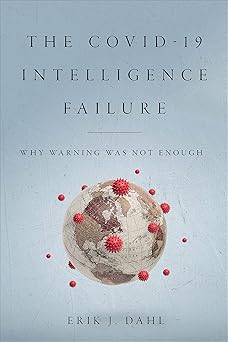
The COVID-19 Intelligence Failure: Why Warning Was Not Enough
by: Erik J. Dahl (Author)
Publisher: Georgetown University Press
Publication Date: 2023/2/1
Language: English
Print Length: 232 pages
ISBN-10: 1647123062
ISBN-13: 9781647123062
Book Description
An in-depth analysis of why COVID-19 warnings failed and how to avert the next disasterEpidemiologists and national security agencies warned for years about the potential for a deadly pandemic, but in the end global surveillance and warning systems were not enough to avert the COVID-19 disaster. In The COVID-19 Intelligence Failure, Erik J. Dahl demonstrates that understanding how intelligence warnings work―and how they fail―shows why the years of predictions were not enough. In the first in-depth analysis of the topic, Dahl examines the roles that both traditional intelligence services and medical intelligence and surveillance systems play in providing advance warning against public health threats―and how these systems must be improved for the future. For intelligence to effectively mitigate threats, specific, tactical-level warnings must be collected and shared in real time with receptive decision makers who will take appropriate action. Dahl shows how a combination of late and insufficient warnings about COVID-19, the Trump administration's political aversion to scientific advice, and decentralized public health systems all exacerbated the pandemic in the United States. Dahl's analysis draws parallels to other warning failures that preceded major catastrophes from Pearl Harbor to 9/11, placing current events in context. The COVID-19 Intelligence Failure is a wake-up call for the United States and the international community to improve their national security, medical, and public health intelligence systems and capabilities.
About the Author
An in-depth analysis of why COVID-19 warnings failed and how to avert the next disasterEpidemiologists and national security agencies warned for years about the potential for a deadly pandemic, but in the end global surveillance and warning systems were not enough to avert the COVID-19 disaster. In The COVID-19 Intelligence Failure, Erik J. Dahl demonstrates that understanding how intelligence warnings work―and how they fail―shows why the years of predictions were not enough. In the first in-depth analysis of the topic, Dahl examines the roles that both traditional intelligence services and medical intelligence and surveillance systems play in providing advance warning against public health threats―and how these systems must be improved for the future. For intelligence to effectively mitigate threats, specific, tactical-level warnings must be collected and shared in real time with receptive decision makers who will take appropriate action. Dahl shows how a combination of late and insufficient warnings about COVID-19, the Trump administration's political aversion to scientific advice, and decentralized public health systems all exacerbated the pandemic in the United States. Dahl's analysis draws parallels to other warning failures that preceded major catastrophes from Pearl Harbor to 9/11, placing current events in context. The COVID-19 Intelligence Failure is a wake-up call for the United States and the international community to improve their national security, medical, and public health intelligence systems and capabilities. Read more
The COVID-19 Intelligence Failure: Why Warning Was Not Enough
相关推荐
 Obstetric Catastrophes: A Clinical Guide
 Chronik der Kinderradiologie: Deutschland, Niederlande, Österreich und Schweiz 2012th Edition
 Psychotic Art
 Anasthesie, Fragen Und Antworten: 1500 Fakten Fur Die Facharztprufung Und Das Europaische Diplom Fur Anasthesiologie Und Intensivmedizin 4th Edition
 Dying to Live: How to Thrive, Not Just Survive
 A Place to Stand
 The Frequency of Life: A Collection of Word Art and Artwork
 Capillaroscopy: Case-Based Nailfold Imaging for the Modern Rheumatologist
评论前必须登录!
立即登录 注册