 电子书百科大全
Peacemakers: The Iroquois, the United States, and the Treaty of Canandaigua, 1794 (Critical Historical Encounters Series)
by: Michael Leroy Oberg (Author)
Publisher: Oxford University Press
Edition: 1st
Publication Date: 2015/7/31
Language: English
Print Length: 216 pages
ISBN-10: 0199913803
ISBN-13: 9780199913800
Book Description
Peacemakers: The Iroquois, the United States, and the Treaty of Canandaigua, 1794 offers a glimpse into how native peoples participated in the intercultural diplomacy of the New Nation and how they worked to protect their communities against enormous odds. The book introduces students, in detail, to the Treaty of Canandaigua, which is little known outside of Central New York. It examines how the Six Nations of the Iroquois secured from the United States a recognition of their sovereign status as separate polities with the right to the "free use and enjoyment" of their lands. In the fall of 1794 leaders from the Six Nations of the Iroquois met with officials from the U.S. in Canandaigua, New York. Iroquois leaders sought the restoration of lands they had lost a decade before at the coercive treaty of Fort Stanwix, which was negotiated with delegates sent from the American Congress under the Articles of Confederation. They felt cheated and aggrieved. The Iroquois delegates also sought the "brightening" of the Covenant Chain alliance which historically had linked the Six Nations to their non-Indian friends and allies. President George Washington sent Timothy Pickering to represent the U.S. at Canandaigua. Washington instructed Pickering to secure from the Six Nations a pledge to take no part in the powerful Indian uprising then occurring in the Northwest Territory. Washington, Pickering, and others in the national government feared that hostile Indians could set the young republic's frontiers ablaze from New York through the Carolinas. Land-hungry New Yorkers, who saw in the acquisition and sale of Iroquois lands a means to finance state government without resorting to a politically inexpedient program of taxation, watched closely and with great suspicion Pickering's actions. The British, meanwhile, still clung to a number of their posts on American soil in the early-1790s. Quietly, they hoped connections to Indian communities on American territory might restrain the territorial aggressiveness of the young republic.
About the Author
Peacemakers: The Iroquois, the United States, and the Treaty of Canandaigua, 1794 offers a glimpse into how native peoples participated in the intercultural diplomacy of the New Nation and how they worked to protect their communities against enormous odds. The book introduces students, in detail, to the Treaty of Canandaigua, which is little known outside of Central New York. It examines how the Six Nations of the Iroquois secured from the United States a recognition of their sovereign status as separate polities with the right to the "free use and enjoyment" of their lands. In the fall of 1794 leaders from the Six Nations of the Iroquois met with officials from the U.S. in Canandaigua, New York. Iroquois leaders sought the restoration of lands they had lost a decade before at the coercive treaty of Fort Stanwix, which was negotiated with delegates sent from the American Congress under the Articles of Confederation. They felt cheated and aggrieved. The Iroquois delegates also sought the "brightening" of the Covenant Chain alliance which historically had linked the Six Nations to their non-Indian friends and allies. President George Washington sent Timothy Pickering to represent the U.S. at Canandaigua. Washington instructed Pickering to secure from the Six Nations a pledge to take no part in the powerful Indian uprising then occurring in the Northwest Territory. Washington, Pickering, and others in the national government feared that hostile Indians could set the young republic's frontiers ablaze from New York through the Carolinas. Land-hungry New Yorkers, who saw in the acquisition and sale of Iroquois lands a means to finance state government without resorting to a politically inexpedient program of taxation, watched closely and with great suspicion Pickering's actions. The British, meanwhile, still clung to a number of their posts on American soil in the early-1790s. Quietly, they hoped connections to Indian communities on American territory might restrain the territorial aggressiveness of the young republic. Read more
Peacemakers: The Iroquois, the United States, and the Treaty of Canandaigua, 1794 (Critical Historical Encounters Series)
未经允许不得转载:电子书百科大全 » Peacemakers: The Iroquois, the United States, and the Treaty of Canandaigua, 1794 (Critical Historical Encounters Series)
相关推荐
 The History of Anti-Semitism, Volume 3: From Voltaire to Wagner
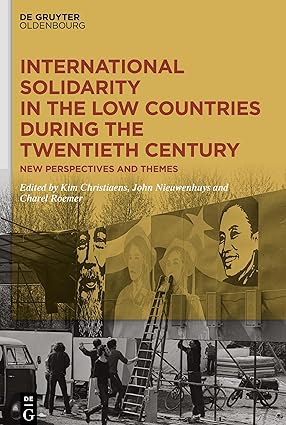 International Solidarity in the Low Countries during the Twentieth Century: New Perspectives and Themes
 300 Years of the French in Old Mines: A Narrative History of the Oldest Village in Missouri
 Escape from the Pit: A Woman's Resistance in Nazi-occupied Poland, 1939-1943 (Excelsior Editions)
 Alexandrine Teaching on the Universe (Routledge Revivals)
 Dynamic Repetition: History and Messianism in Modern Jewish Thought (The Tauber Institute Series for the Study of European Jewry)
 The Latin Continuation of William of Tyre (Crusade Texts in Translation)
 Shmuel Hugo Bergmann: A Life between Prague and Jerusalem (Europäisch-jüdische Studien – Beiträge, 63)
评论前必须登录!
立即登录 注册