 电子书百科大全
Feral Empire: Horse and Human in the Early Modern Iberian World
by: Kathryn Renton (Author)
Publisher: Cambridge University Press
Publication Date: 2024/6/6
Language: English
Print Length: 260 pages
ISBN-10: 1316515079
ISBN-13: 9781316515075
Book Description
By tracing the dramatic spread of horses throughout the Americas, Feral Empire explores how horses shaped society and politics during the first century of Spanish conquest and colonization. It defines a culture of the horse in medieval and early modern Spain which, when introduced to the New World, left its imprint in colonial hierarchies and power structures. Horse populations, growing rapidly through intentional and uncontrolled breeding, served as engines of both social exclusion and mobility across the Iberian World. This growth undermined colonial ideals of domestication, purity, and breed in Spain's expanding empire. Drawing on extensive research across Latin America and Spain, Kathryn Renton offers an intimate look at animals and their role in the formation of empires. Iberian colonialism in the Americas cannot be explained without understanding human-equine relationships and the centrality of colonialism to human-equine relationships in the early modern world. This title is part of the Flip it Open Program and may also be available Open Access. Check our website Cambridge Core for details.
About the Author
By tracing the dramatic spread of horses throughout the Americas, Feral Empire explores how horses shaped society and politics during the first century of Spanish conquest and colonization. It defines a culture of the horse in medieval and early modern Spain which, when introduced to the New World, left its imprint in colonial hierarchies and power structures. Horse populations, growing rapidly through intentional and uncontrolled breeding, served as engines of both social exclusion and mobility across the Iberian World. This growth undermined colonial ideals of domestication, purity, and breed in Spain's expanding empire. Drawing on extensive research across Latin America and Spain, Kathryn Renton offers an intimate look at animals and their role in the formation of empires. Iberian colonialism in the Americas cannot be explained without understanding human-equine relationships and the centrality of colonialism to human-equine relationships in the early modern world. This title is part of the Flip it Open Program and may also be available Open Access. Check our website Cambridge Core for details. Read more
Feral Empire: Horse and Human in the Early Modern Iberian World
相关推荐
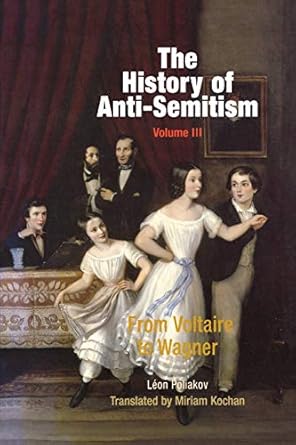 The History of Anti-Semitism, Volume 3: From Voltaire to Wagner
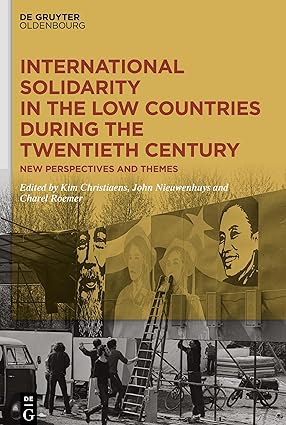 International Solidarity in the Low Countries during the Twentieth Century: New Perspectives and Themes
 300 Years of the French in Old Mines: A Narrative History of the Oldest Village in Missouri
 Escape from the Pit: A Woman's Resistance in Nazi-occupied Poland, 1939-1943 (Excelsior Editions)
 Alexandrine Teaching on the Universe (Routledge Revivals)
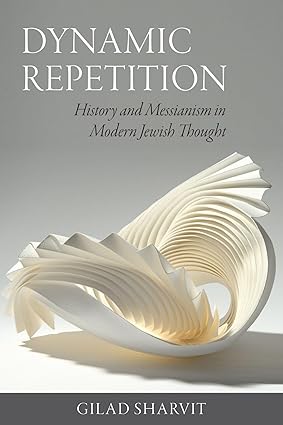 Dynamic Repetition: History and Messianism in Modern Jewish Thought (The Tauber Institute Series for the Study of European Jewry)
 The Latin Continuation of William of Tyre (Crusade Texts in Translation)
 Shmuel Hugo Bergmann: A Life between Prague and Jerusalem (Europäisch-jüdische Studien – Beiträge, 63)
评论前必须登录!
立即登录 注册