 电子书百科大全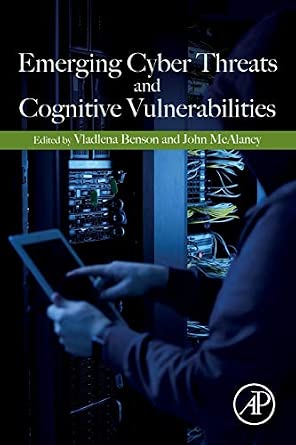
Emerging Cyber Threats and Cognitive Vulnerabilities
Author(s): Vladlena Benson PhD MSc BSc CISMP SFHEA (Editor), John McAlaney John McAlaney CPsychol CSci MSc PhD
- Publisher: Academic Press
- Publication Date: 25 Sept. 2019
- Edition: 1st
- Language: English
- Print length: 252 pages
- ISBN-10: 0128162031
- ISBN-13: 9780128162033
Book Description
Emerging Cyber Threats and Cognitive Vulnerabilities identifies the critical role human behavior plays in cybersecurity and provides insights into how human decision-making can help address rising volumes of cyberthreats. The book examines the role of psychology in cybersecurity by addressing each actor involved in the process: hackers, targets, cybersecurity practitioners and the wider social context in which these groups operate. It applies psychological factors such as motivations, group processes and decision-making heuristics that may lead individuals to underestimate risk. The goal of this understanding is to more quickly identify threat and create early education and prevention strategies.
This book covers a variety of topics and addresses different challenges in response to changes in the ways in to study various areas of decision-making, behavior, artificial intelligence, and human interaction in relation to cybersecurity.
- Explains psychological factors inherent in machine learning and artificial intelligence
- Discusses the social psychology of online radicalism and terrorist recruitment
- Examines the motivation and decision-making of hackers and "hacktivists"
- Investigates the use of personality psychology to extract secure information from individuals
Editorial Reviews
Review
Essential reference on the psychology of human behavior and decision-making as it relates to digital security
About the Author
John McAlaney is a Chartered Psychologist, Chartered Scientist and Associate Professor of Psychology at Bournemouth University. He completed his undergraduate degree at the University of Stirling, his MSc at the University of Strathclyde and then his PhD at the University of West of Scotland in 2007. Dr. McAlaney's PhD was on the topic of social psychology and substance use, looking particularly at misperceptions of peer norms. Following this he worked on an AERC funded post-doc position at London School of Hygiene and Tropical Medicine before moving onto a lecturing post at the University of Bradford in 2008. He joined the Department of Psychology at Bournemouth University in 2014. Since joining Bournemouth he has collaborated extensively with colleagues in the Department of Computing and Informatics to explore psychological factors of cyber security, including participation in hacking and hacktivism, group dynamics in cyber security actors and decision making processes in relation to phishing emails and other mediums. As part of this work he collaborates extensively with government, military and commercial organisations. In 2018 he led the authorship of the British Psychological Society’s briefing paper on the role of psychology in informing cybersecurity practices.
{"@context":"https://schema.org","@type":"Book","name":"Emerging Cyber Threats and Cognitive Vulnerabilities","image":"https://m.media-amazon.com/images/I/41BVCYYuL5L._SY445_SX342_ML2_.jpg","author":{"@type":"Person","name":"Vladlena Benson PhD MSc BSc CISMP SFHEA (Editor), John McAlaney John McAlaney CPsychol CSci MSc PhD"},"publisher":{"@type":"Organization","name":"Academic Press"},"datePublished":"25 Sept. 2019","isbn":"9780128162033","numberOfPages":252,"inLanguage":"English","description":"Emerging Cyber Threats and Cognitive Vulnerabilities identifies the critical role human behavior plays in cybersecurity and provides insights into how human decision-making can help address rising volumes of cyberthreats. The book examines the role of psychology in cybersecurity by addressing each actor involved in the process: hackers, targets, cybersecurity practitioners and the wider social context in which these groups operate. It applies psychological factors such as motivations, group processes and decision-making heuristics that may lead individuals to underestimate risk. The goal of this understanding is to more quickly identify threat and create early education and prevention strategies.This book covers a variety of topics and addresses different challenges in response to changes in the ways in to study various areas of decision-making, behavior, artificial intelligence, and human interaction in relation to cybersecurity.Explains psychological factors inherent in machine learning and artificial intelligenceDiscusses the social psychology of online radicalism and terrorist recruitmentExamines the motivation and decision-making of hackers and "hacktivists"Investigates the use of personality psychology to extract secure information from individuals","bookEdition":"1st","url":"https://www.amazon.co.uk/dp/0128162031/","bookFormat":"http://schema.org/EBook","additionalType":"http://schema.org/PDF","fileSize":"31 MB","accessibilityFeature":["login required","member access only"],"accessibilitySummary":"PDF version available to authenticated members only. File size: 31 MB."}


评论前必须登录!
立即登录 注册