 电子书百科大全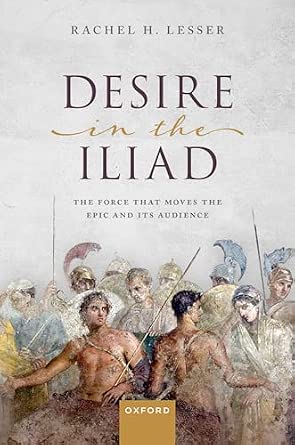
Desire in the Iliad: The Force That Moves the Epic and Its Audience
Author(s): Rachel H. Lesser (Author)
- Publisher: OUP Oxford
- Publication Date: 6 Oct. 2022
- Language: English
- Print length: 288 pages
- ISBN-10: 0192866516
- ISBN-13: 9780192866516
Book Description
Editorial Reviews
Review
About the Author
{"@context":"https://schema.org","@type":"Book","name":"Desire in the Iliad: The Force That Moves the Epic and Its Audience","image":"https://m.media-amazon.com/images/I/41UOS8973nL._SY445_SX342_ML2_.jpg","author":{"@type":"Person","name":"Rachel H. Lesser (Author)"},"publisher":{"@type":"Organization","name":"OUP Oxford"},"datePublished":"6 Oct. 2022","isbn":"9780192866516","numberOfPages":288,"inLanguage":"English","description":"This is the first study to examine desire in the Iliad in a comprehensive way, and to explain its relationship to the epic's narrative structure and audience reception. Rachel H. Lesser offers a new reading of the poem that shows how the characters' desires, especially those of the mortal hero Achilleus and the divine king Zeus, motivate plot and keep the audience engaged with the epic until and even beyond its end. The author argues that the characters' desires are primarily organized in narrative triangles that feature two parties in conflict over a third. A variety of desires animate these triangles, including sexual passion, longing for a lost loved one, yearning for lamentation, and aggressive desires for vengeance and status, and they are signified with terms such as eros, himeros, pothe, menos, thumos, boule, and eeldor, as well as through the epic's thematic emotions of grief and anger. Desire in the Iliad shows how the mortals' and gods' triangular desires together drive and shape two Iliadic plots, the main plot of Achilleus' withdrawal from the fighting and then return to battle, and the "superplot" of the larger Trojan War story. The author also argues that these plots and their motivating desires arouse the listener's-or reader's-own corresponding desires: narrative desire to know and understand the Iliad's full story, sympathetic desire for characters' welfare, and empathetic passions, longings, and wishes. Our desires invest us in the epic narrative and their resolution brings us satisfaction.","url":"https://www.amazon.co.uk/dp/0192866516/","bookFormat":"http://schema.org/EBook","additionalType":"http://schema.org/PDF","fileSize":"16 MB","accessibilityFeature":["login required","member access only"],"accessibilitySummary":"PDF version available to authenticated members only. File size: 16 MB."}
评论前必须登录!
立即登录 注册